A Teacher’s Reflection: What Our Little Explorers Learned in the Forest
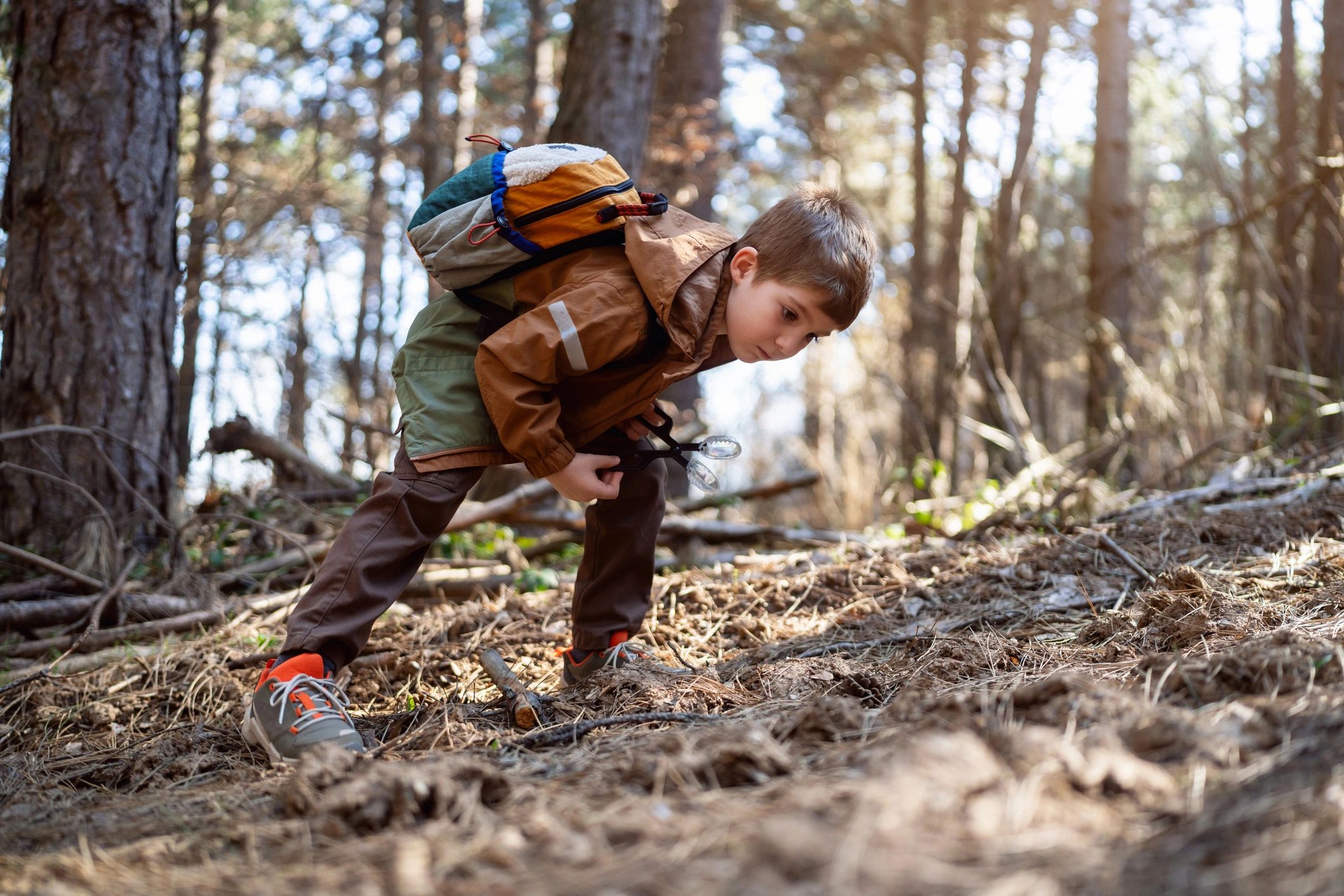
As I sit here reflecting on our week-long adventure into the woods, my heart swells with pride and wonder. What began as a simple theme—forest animals—transformed into something far richer: a week of discovery, growth, and joyful learning that touched every child in our classroom. In early childhood education, moments like these remind us that learning isn’t just about facts or skills; it’s about experiences that spark curiosity, build confidence, and nurture developing minds.
This week, our preschoolers didn’t just learn about forest animals—they became forest explorers. Each activity was designed not just for fun, but to support key developmental milestones, and watching my students engage so fully reminded me why I love teaching every single day.
How Our Forest Theme Built Foundational Skills
One of the most beautiful things about thematic learning is how naturally it integrates multiple domains of development. When we set up our sensory bin with “mystery animal tracks,” the children were doing more than guessing which animal left the print—they were practicing scientific thinking, making predictions, and using descriptive language like “clawed,” “padded,” and “nocturnal.”
In small group time, our discussions about animal habitats opened doors to empathy. “Where does a bear sleep in winter?” one child asked. “In a den!” another replied. “But what if the den is cold?” That simple question led to a classroom conversation about warmth, shelter, and how animals care for their families—building social-emotional awareness in the most authentic way.
We reinforced fine motor skills through crafting: cutting out leaf shapes, gluing on fur scraps for animal coats, and shaping clay into tiny forest creatures. These weren’t just art projects; they were quiet exercises in hand strength and coordination, preparing little hands for future writing.
And during our “Forest Sounds” listening game, where I played owl hoots, woodpecker taps, and rustling leaves, I watched as children focused intently, raised their hands with excitement, and proudly named each sound. Their listening skills, attention spans, and vocabulary all grew through play.
The Magic of Creative Expression
Some of my favorite moments came during project time. Seeing a shy student light up as she wore her handmade fox mask and confidently said, “I’m fast and sneaky!” reminded me how role-play builds self-expression. Another child spent nearly 20 minutes carefully arranging twigs and moss in his diorama, explaining, “This is the safe part of the forest. No loud noises here.”
These creations weren’t perfect—they didn’t need to be. What mattered was the thinking behind them: storytelling, spatial reasoning, and personal meaning. When a child says, “I made this for the baby squirrel,” they’re practicing compassion. When they label their drawing “Owl Sleeps in Tree,” they’re connecting knowledge with symbols—early literacy in action.
What This Week Taught Me as a Teacher
More than anything, this week reaffirmed the power of child-led curiosity. Yes, I planned the lessons, but the magic happened when we paused to follow a child’s question—like when one preschooler asked, “Can squirrels get scared?” and we spent 15 minutes discussing feelings, body movements, and how animals (and people) react to fear.
Thematic units like this don’t just teach children—they teach teachers. They remind us to slow down, listen closely, and celebrate the small triumphs: the first time a child shares during circle time, the careful way they mix paint to match a deer’s fur, or the proud smile when they say, “I did it all by myself.”
Continuing the Journey
As we look ahead to our next theme, I’m carrying this week’s lessons with me. And I encourage families to do the same—take a short walk in your neighborhood, talk about the animals you see, and let your child lead the conversation. Because real learning doesn’t end when the school day does. It lives in the questions they ask, the stories they tell, and the wonder they carry with them—long after the last leaf has been glued to the collage.
With gratitude,
A Preschool Teacher Who Still Believes in Magic